
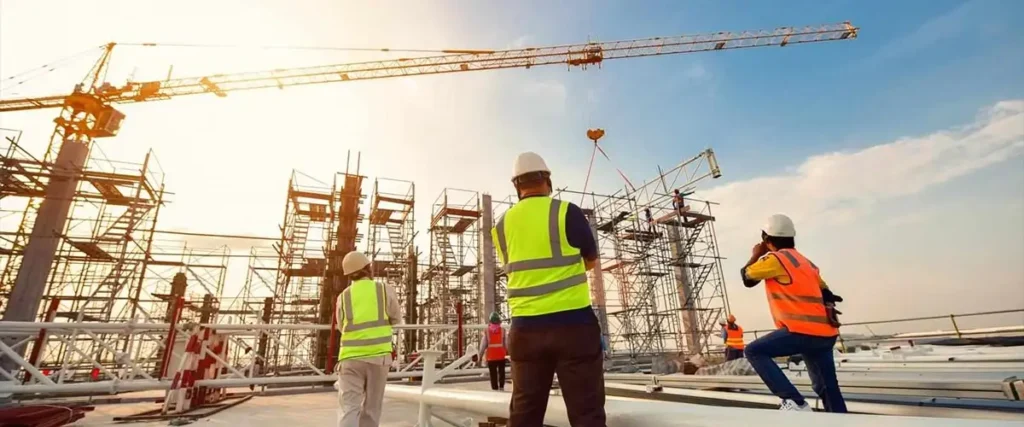
City growth always starts with infrastructure. Once better roads, rail connectivity, public transport networks, commercial corridors, or social facilities enter a locality, homebuyers and investors pay attention. Over time this leads to higher residential demand which directly reflects in capital values, rental yields, absorption rates, and overall real estate confidence.
Today many Indian cities are undergoing large infrastructure shifts. From new metro lines in the Mumbai Metropolitan Region to airports in Navi Mumbai and Noida, coastal roads, highway upgrades across Pune, industry corridors near Nagpur, and townships expanding around major IT and logistics hubs, the trend is the same: infrastructure creates access, and access creates value.
This blog breaks down how this transformation works, why it matters for end users and investors, and how to identify location pockets that are set for long-term appreciation.
Why Infrastructure Matters in Residential Real Estate
Homebuyers look for convenience, time savings, safety, and lifestyle options. Infrastructure directly improves these factors by reducing travel time, opening job nodes, lifting civic standards, and enhancing social ecosystems. Once infrastructure improves, people start shifting to those micro markets which boosts absorption and values.
On the investor side, infrastructure acts like a signal of future demand. Most experienced investors track government policies, infrastructure announcements, DP plans, metro alignments, new expressways, and large commercial parks because these lay the foundation for the next property cycle.
Types of Infrastructure That Influence Home Values
Infrastructure is not only about transport. Different upgrades have different effects on residential demand. Here are the major categories:
1. Transport and Mobility
This includes metro networks, suburban rail, highways, flyovers, sea links, monorail, BRT corridors, airports, and water transport. Transport development has the most direct impact on property pricing because it improves employment access and shrinks commute time. Locations around metro stations, airport influence zones, and major highway junctions often see early price growth.
2. Civic and Utility Infrastructure
Sewage systems, 24×7 water supply, power infrastructure, drainage, road widening, and solid waste management uplift day-to-day living. When civic reliability improves, it attracts mid and upper segment buyers who were earlier hesitant to consider that area.
3. Social Infrastructure
Schools, colleges, hospitals, malls, retail, cultural zones, sports arenas, and leisure spaces form the social backbone of a community. Families value social infrastructure because it improves convenience and lifestyle. Localities that once lacked social offerings often transform when retail and healthcare chains arrive.
4. Economic and Industrial Infrastructure
Tech parks, industry hubs, corporate parks, warehousing belts, logistics corridors, and SEZ clusters create employment. Wherever new job hubs emerge, residential property values absorption follows. Developers quickly enter those belts leading to new projects tailored for that workforce.
How Values Grow Through the Infrastructure Cycle
Property values do not rise overnight. There is a pattern most markets follow. Understanding this helps investors make smarter decisions.
Stage 1: Announcement
The government announces a major project such as a metro and airport connectivity. Investors enter early if the policy commitment seems strong. Prices see a small jump due to sentiment.
Stage 2: Construction
Construction begins and confidence increases. Developers start launching residential options. End users gradually consider the location and early investors sometimes exit for short term gains.
Stage 3: Completion
Once a major infrastructure project becomes operational, demand surges. Homebuyers see real benefits and rental demand improves. This is where prices grow the fastest.
Stage 4: Maturity
The locality becomes established with social infrastructure catching up. Capital values stabilize at a higher base and the market becomes end user driven.
Real-World Examples Across Indian Cities
Mumbai Metropolitan Region
Metro Lines, Trans Harbour Link, Coastal Road, and Navi Mumbai International Airport are classic examples. Belt locations like Thane, Kalyan, Panvel, and Ulwe have seen multi-year value growth due to large ongoing upgrades and economic nodes.
Pune
Ring Road and Metro Corridors are influencing micro markets like Hinjewadi, Wakad, Tathawade, Baner, Viman Nagar, and Wagholi. IT parks combined with metro access are driving steady price appreciation.
NCR
The upcoming Noida International Airport, Film City, and Yamuna Expressway industrial belts are creating a new residential and industrial cluster which was previously undervalued.
These examples show that infrastructure is not a theory but a practical driver of Real Estate Investment Returns.
Benefits for End Users and Investors
Benefits for Homebuyers
- Shorter commute and better work-life balance
- Improved social facilities for families
- Higher civic standards and safety
- Better long-term resale value
Benefits for Investors
- Higher capital appreciation in emerging corridors
- Stronger rental demand near job hubs
- Better liquidity due to increasing end user demand
- Safe asset class backed by location fundamentals
How to Evaluate Infrastructure-Led Growth Before Buying
Here are simple evaluation filters used by informed buyers:
- Track government policies and budget announcements
- Study metro, airport, highway, and commercial park progress
- Understand job hubs and future employment patterns
- Check DP masterplans and zoning guidelines
- Look at population inflow and residential absorption trends
- Check if reputed developers are entering the locality
- Evaluate social infrastructure growth stage
- Compare rental yields and resale data
These factors help identify undervalued pockets early.
Final Thoughts
Infrastructure development will continue to reshape Indian cities for the next decade. Buyers who study these trends gain a strategic advantage. Markets that benefit from new mobility corridors, airports, industry zones, social upgrades, and civic improvements often deliver strong property returns while improving daily living standards for residents. For both end users and investors, paying attention to infrastructure is one of the most reliable frameworks for understanding long-term appreciation and lifestyle value.
Ready to Explore Infrastructure-Led Housing Opportunities
If you are evaluating emerging urban locations backed by strong infrastructure development and future-value potential, you can request expert guidance and curated options.
Contact for Site Visits and Expert Consultation
Contact: +91 7397994881
Visit: www.lodhiagroup.in/projects/laxmi-pratima
Get project details, payment plans, government approvals, floor plans, and guided property tours. This helps you make informed decisions backed by real market fundamentals.